What Every Patient Should Know Before Moving Forward
Every surgical procedure, no matter how routine, carries some degree of risk. While this may sound intimidating, understanding those risks is an important part of making an informed decision about cosmetic surgery.
The goal of your consultation is not only to discuss the benefits of a procedure, but also to ensure you understand the recovery process, potential complications, and the steps that can be taken to help minimize risk. An informed patient is a confident patient.
What Are the Risks?
Potential risks vary depending on the procedure being performed and each patient’s individual health. General surgical risks may include bleeding, infection, delayed healing, scarring, or reactions to anesthesia. Although complications are uncommon, it is important to understand that no surgery is entirely risk free.
Your surgeon will explain the risks associated with your specific procedure and answer any questions you may have before moving forward.
How Risks Are Minimized
Patient safety begins long before the day of surgery. Your medical history, medications, allergies, lifestyle, and overall health are carefully reviewed during your consultation to determine whether surgery is appropriate.
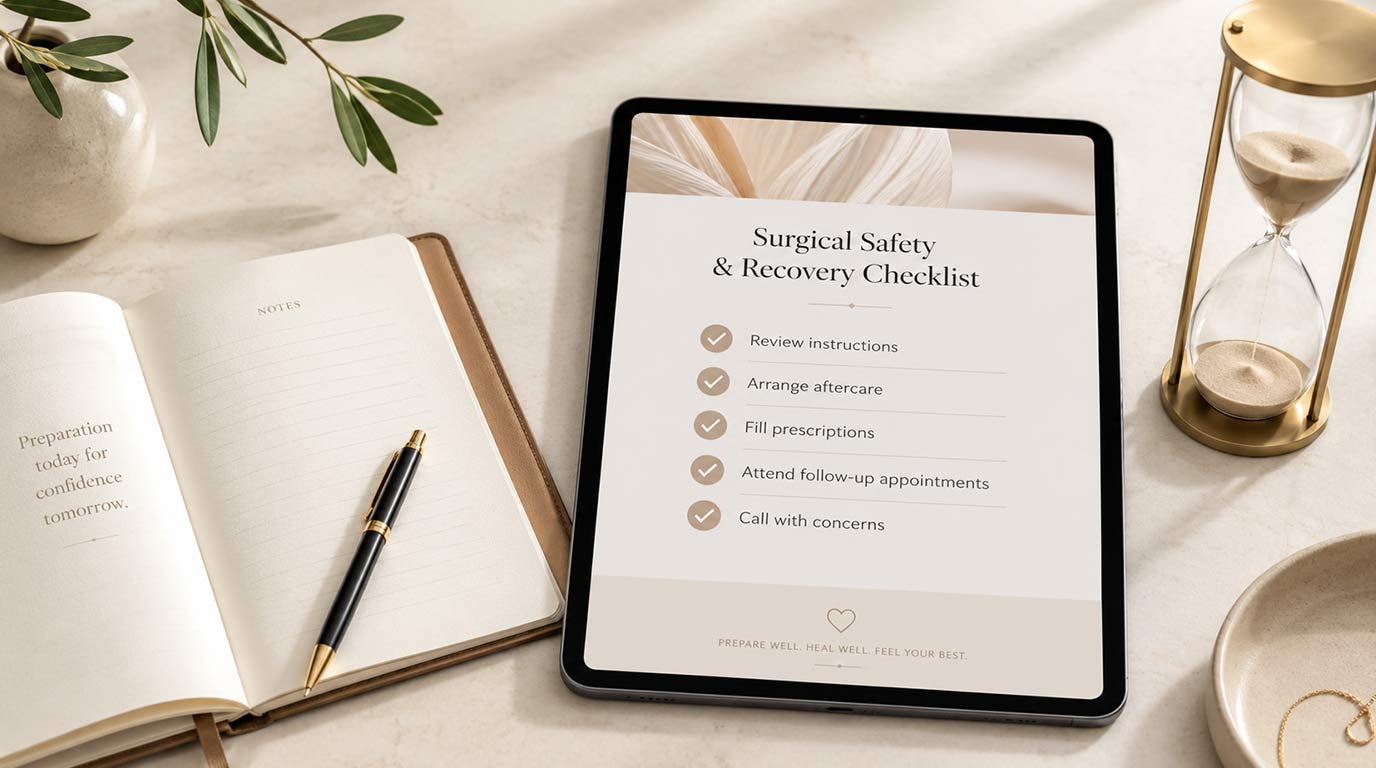
Following pre-operative instructions, such as stopping certain medications, avoiding smoking, and arranging appropriate aftercare, can significantly reduce the likelihood of complications. After surgery, following your recovery instructions is equally important.
Your Role in a Safe Recovery
Successful outcomes depend on a partnership between you and your surgical team. Attend all scheduled follow-up appointments, take medications exactly as directed, and contact your surgeon if you notice anything unusual during recovery.
Open communication is one of the best ways to ensure concerns are addressed quickly and appropriately.
Frequently Asked Questions
Are cosmetic surgery complications common?
Most patients recover without significant complications, particularly when they are healthy and carefully follow their surgeon’s instructions.
Can I reduce my surgical risk?
Yes. Being honest about your medical history, maintaining a healthy lifestyle, and following all pre- and post-operative instructions can help reduce risk.
Why is my medical history important?
Certain medical conditions, medications, or lifestyle habits may influence your treatment plan and recovery.
When should I call my surgeon?
Contact your surgeon if you experience increasing pain, fever, excessive swelling, unusual drainage, or any unexpected changes after surgery.
Why are follow-up appointments important?
They allow your surgeon to monitor healing, answer questions, and address concerns before they become larger problems.
Final Thoughts
Understanding the potential risks of surgery shouldn’t discourage you—it should empower you. Taking the time to ask questions, understand your procedure, and carefully follow your surgeon’s guidance helps create the safest possible experience and supports the best possible outcome.